Pairs well with: Local, organic, micro-brewed cider. By the barrel!
Brutus rating: 2/10. Not many knives in the back, except maybe the overly enthusiastic claiming of barrels and buildings

If we were to sum up Above and Below with one word it would be ‘pleasant’. It’s fairly gentle (one to play with older kids), has minimal conflict, and is just rather nice all round. It combines many of the neat bits of town-building worker-placement games with the bonus of extra roleplay scenarios (we totally love a bit of extra roleplay!). Instead of a humiliating scrabble to feed your family (such as in Agricola) there’s a considerably less desperate scrabble to make sure everyone gets a bed for the evening, or they won’t be nice and rested for the next day to carry on work. And the game even scales down well for two players!
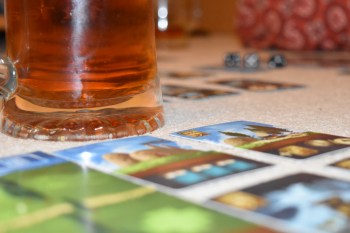
The setting is gentle fantasy – after being unceremoniously ousted from your home, your family settles in a new land and proceeds to build a nice village. Each player has a separate family, making the game a little too insular for some (you’d have a hard time ruining someone else’s play time), though there are some shared and limited resources like buildings which drive the competition. Hire workers, build houses, harvest resources. All pretty straightforward.
Beds, oddly, are the main resource you need to keep an eye on, as they only come with certain buildings. Pretty sensible, really. In your village there’s none of this bullshit you see in documentaries about rural settings with poor working conditions and sleeping on hay on the floor. In Above and Below, the workers get their very own double-bed with proper sheets and an excellent mattress. Cushty stuff. Don’t say I don’t treat you well, workers.
No cushty bed? No work the next day. Pretty amazing employment rights. This even goes for
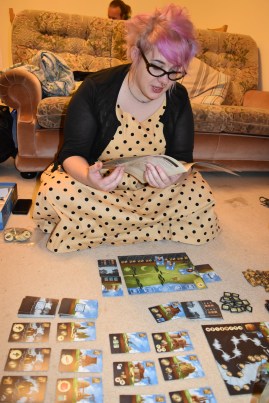
people who don’t get a bed two days in a row. You’d think they’d have just spent the day lazing around in other people’s beds, while everyone else is adventuring, building, working. But if they do then they keep pretty quiet about it, and continue to remain too tired to work until they finally get a shot in a proper bed.
The one exception to the rule? Cider. If you get your workers a barrel of cider, a couple of them are going to share a bed. We’ll leave it to your filthy imagination as to why that is the case, but it also raises important questions. What if only one person in the double bed has cider? Is Gary always going to be sick of Devin turning up drunk and ruining his night’s sleep? Would the game be improved by a mechanic that generates new villagers after a ‘cider night’ occurs? … probably not.
Aside from the excitement of the bed-mechanics, you have many of your decent but run-of-the-mill worker placement activities. Build things for more resources, do things for resources, acquire more workers to do more things and build more things for more resources.
One of these activities stands out, however. Exploring! As you might work out from the title, you can build your village in two different ways: above, and… below! Before you can build below, you need to explore some of the exciting caverns that twist around underneath your village. With the help of a plucky band of explorers and a giant roleplaying book! Huzzah!
This is where the game bridges the gap between regular Agricola-type worker placing and some more roleplay-heavy story-based game. For each adventure, a story is randomly selected and one of your adventuring comrades will read you out some exciting spiel about your journey underground. Maybe you’ll bump into wizards, rescue some captives or discover your spirit animal!
For all that questing is an essential part of the game, it does feel very disparate from the ‘main’ task of village-building. It’s plenty of fun though so it’s hard to feel too sad about that.
And, like any good game with a roleplaying twist, the game allows you to add as much flavour
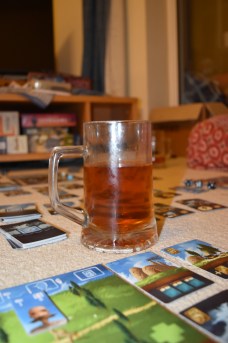
as you like to the adventures you read out. The written down adventure will tell you the choices that the explorers face – usually involving various difficulties of dice-rolling dependent on the party you’ve chosen to take on the journey – and the rewards are listed in the book, but how the adventurers acquire those rewards is up to you.
Your friends can add any extra layer of plot that they like, on a scale of Briony to Bob. Where a Briony might end an adventure with “Great! You conjure up a mushroom, now you have a mushroom”, a Bob will give you an elaborate plot with sympathetic characters, motives and backstory. Briony only plays adventures, she doesn’t make them.
Unfortunately for Briony, her lack of roleplaying skills also somehow extends to sucking at playing them. If there is a demon to accidentally be let loose on an unsuspecting village, Briony is the one who will open that cage. If there is a pig to be rounded up, Briony will fail in every method of capture from luring with treats to singing a special magical pig song. When she finally resorted to lassoing the poor creature by the neck the farmer was singularly unimpressed.
“WHAT! What do you mean, ‘minus one reputation’? I helped the farmer! Just because I didn’t have enough points on me to know a damned pig song!
“Yeah, we’ve all been there, bro.”
Briony’s reputation, in fact, got so low that her reputation marker couldn’t go down any further. People had zero good to say about Brionytown. Those clowns just go around hurting people, releasing demons, cursing everyone. Stay clear away, folks! Unless you want to trade or have a nice house. Maybe she was just building up a fancy gated community after all…

Lizzy “Always The Cylon” on the other hand earned an excellent reputation among adventurers of the world. Everything she explored turned into reputation gold! Not points, mind you, but at least she had some serious respect amongst the fictional communities.
Above and Below, as well as doing a pretty good job of crossing over two different board game genres, ticks several other boxes as well. The art is clean and gorgeous, the characters aren’t bland meeples but are cards varied in race, gender AND species.* And there are just about enough ways to earn points to keep it pretty interesting. You get points for buildings, there’s an interesting points scale for different kinds of resource, and there are points for reputation. It’s just right to get the players having to think carefully about what they’re doing.

And, most importantly for the Misery Farmers, it has enough story-telling flair to distract from just being a point-machine game. There are some games that are fun, but that everyone knows Lizzy is going to win. Scoville, Euphoria, Liguria, for example. Above and Below is, praise the cardboard gods, not one of those games! QUICK, DISTRACT LIZZY WITH ROLEPLAYING! SHE’LL FORGET SHE HAS TACTICS!
We had a great time. Briony turned out to be the winner after setting up an effective income-based infrastructure which resulted in fancy buildings and piles of resources, while Bob and Lizzy wasted their time having pointless and stupid fun adventures. And so finally Lizzy lost a game, Briony eventually earned back a little of her reputation and Bob learned that her spirit animal is a fish. The real winner, as always, is board games.

*In some scenarios you can gather extra party members. These include a robot, a lady made of tar, and a cat. The cat is particularly fun because if given any task it has a 1 in 3 chance of just… not doing it. That is exactly how cats do.
 As we understand it Board in the City has a large collection of games that will gradually be increasing during the first couple of months of its opening. Their page has been publishing some pictures of this as it unfolds. Mmmm, more games, said every board gamer ever. Effectively, the lure to go and play will heighten over time, so basically there is no excuse not to go and check it out.
 Excitingly the venue will be running some special events of their own. But how can they possibly make board gaming with your friends, in comfort, while supporting the community more fun you ask? Well, firstly by running a huge murder mystery game during the opening evening, involving the entire audience which was followed up with some delightful live music by our very own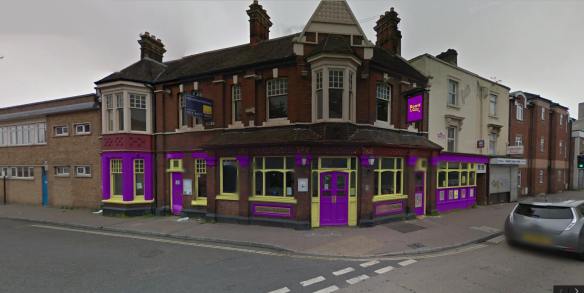

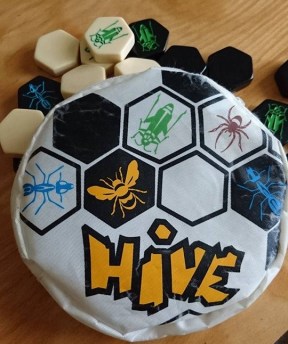
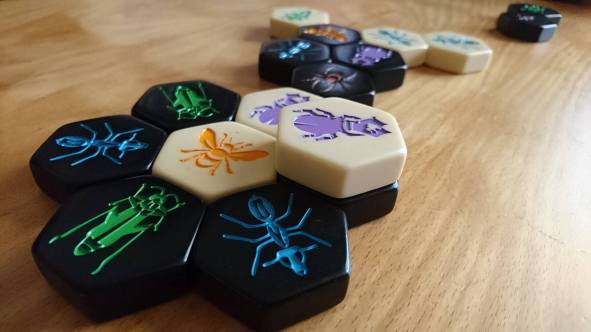


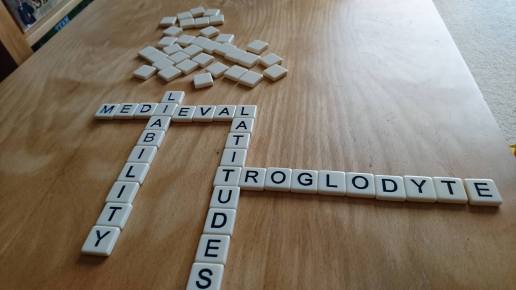
 Bananagrams is probably a game a lot of people have seen while Christmas shopping as it’s sold in a lot of stores that don’t even specialise in games. Usually when we see a game like this we instantly assume it’s terrible – Monopoly and Trivial Pursuit notoriously belong to this same category and have hurt us in the past. Rather amazingly Bananagrams is actually fun. It’s a game very similar to Scrabble where players are given a set number of tiles (usually 21 but depending on number of players) and must make connecting words with them. Unlike Scrabble there is no point scoring system, and instead to win the game you must get rid of all of the tiles in the central pool first. You do this by using all of your hand tiles and then shouting ‘PEEL!’**** Each player will then take an extra tile from the pool and continue trying to form words. For the player who shouted this means that you now have only one letter to get rid of, and fortunately the game allows breaking up and reforming words. The game pitches your intellectual Scrabble ability against that of time pressure and the abilities of the other players. This can be a bit distressing when you think you’re doing really well but it turns out you’ve only been laying two and three letter words, whereas your friend opposite has practically written a novel*****.



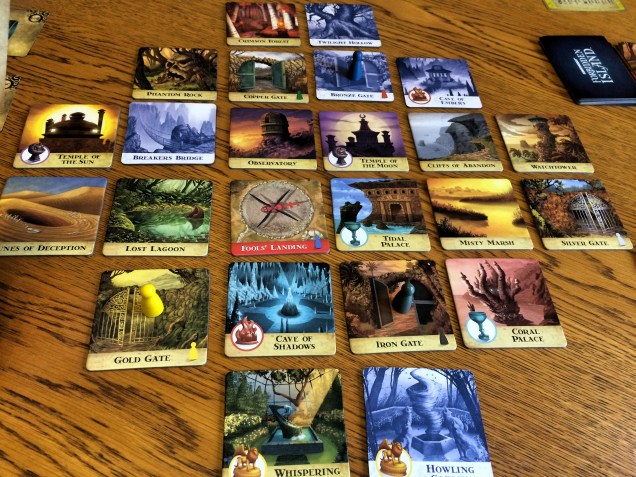

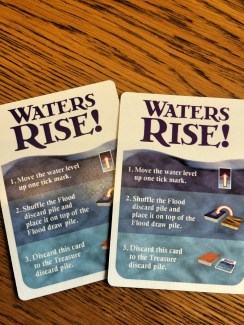 One of the mechanics that you might be familiar with is the ‘Waters Rise!’ card. These are like the outbreak cards in Pandemic, but you have an outbreak of water instead of an outbreak of, you know, diseases. The cards are hidden among all of the treasure and bonus cards that you’ll be collecting at the end of each turn, which you’ll need a certain amount of to be able to find treasures. (Just like you’ll need a certain amount of cards to research a cure in… what’s that game again? Pandemic.)

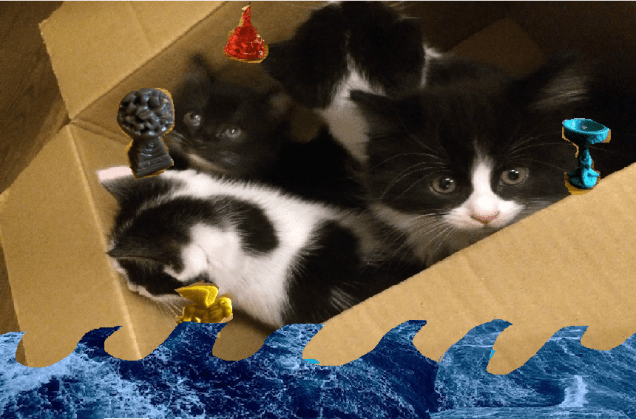
 One of the actions you can do is to try to stop the island from going completely under before you’ve high-tailed it off with the treasures. The action is to flip a slightly soggy land-tile so that it becomes dry land again, and the action is called ‘Shore Up’, but it’s a little bit thematically unclear what you’re actually doing. We think there might be a lot of mopping involved. But the amount of mopping you get to do versus the rate at which the island is going under is pretty heavily tipped in favour of the sea. As such, this part of the game tends to feel a little bit like one of those cartoons where a poor cabin boy is using a tiny bucket to chuck the water over the ship and back out to sea, even when water is crashing in around him faster than he could ever bail it out.
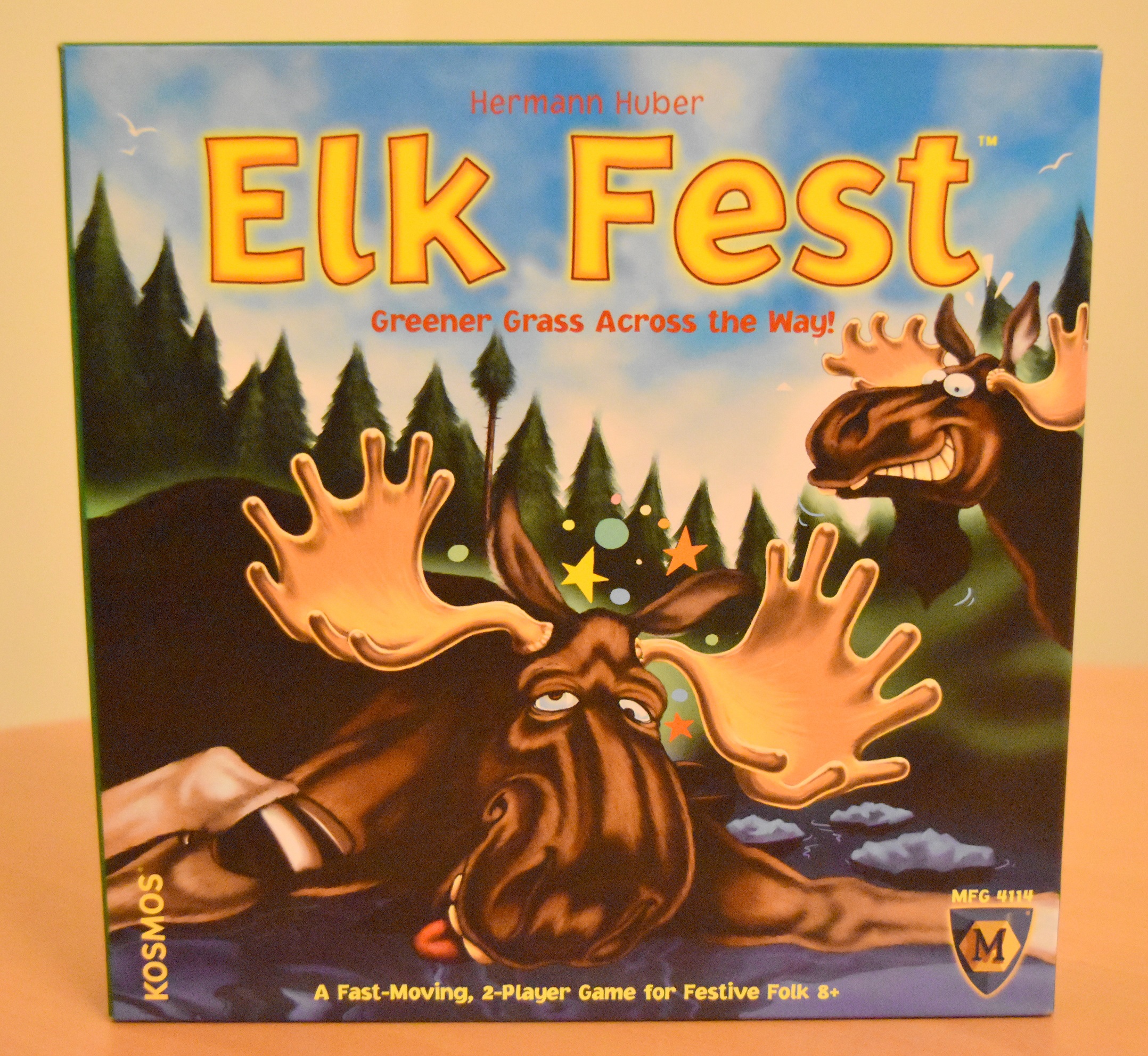


 The second stage is known as ‘the ardgy-bardgy bit in the middle’. This is where each player’s elks are passing one another in the middle, and moving basically anything becomes tense and difficult. Often there is a lot of stone sharing for both elk, and things are both tense and cosy.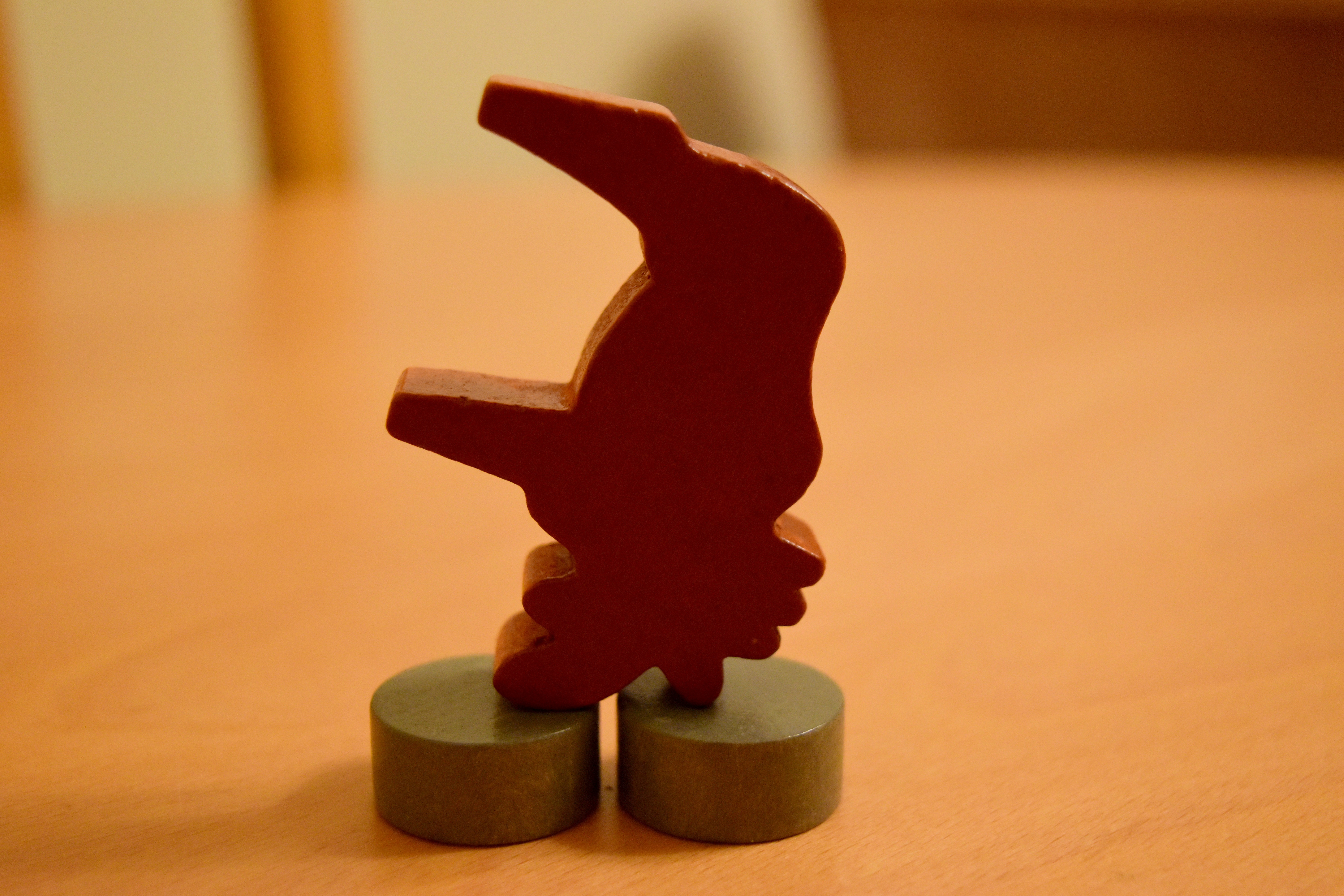





 Misery Farming


