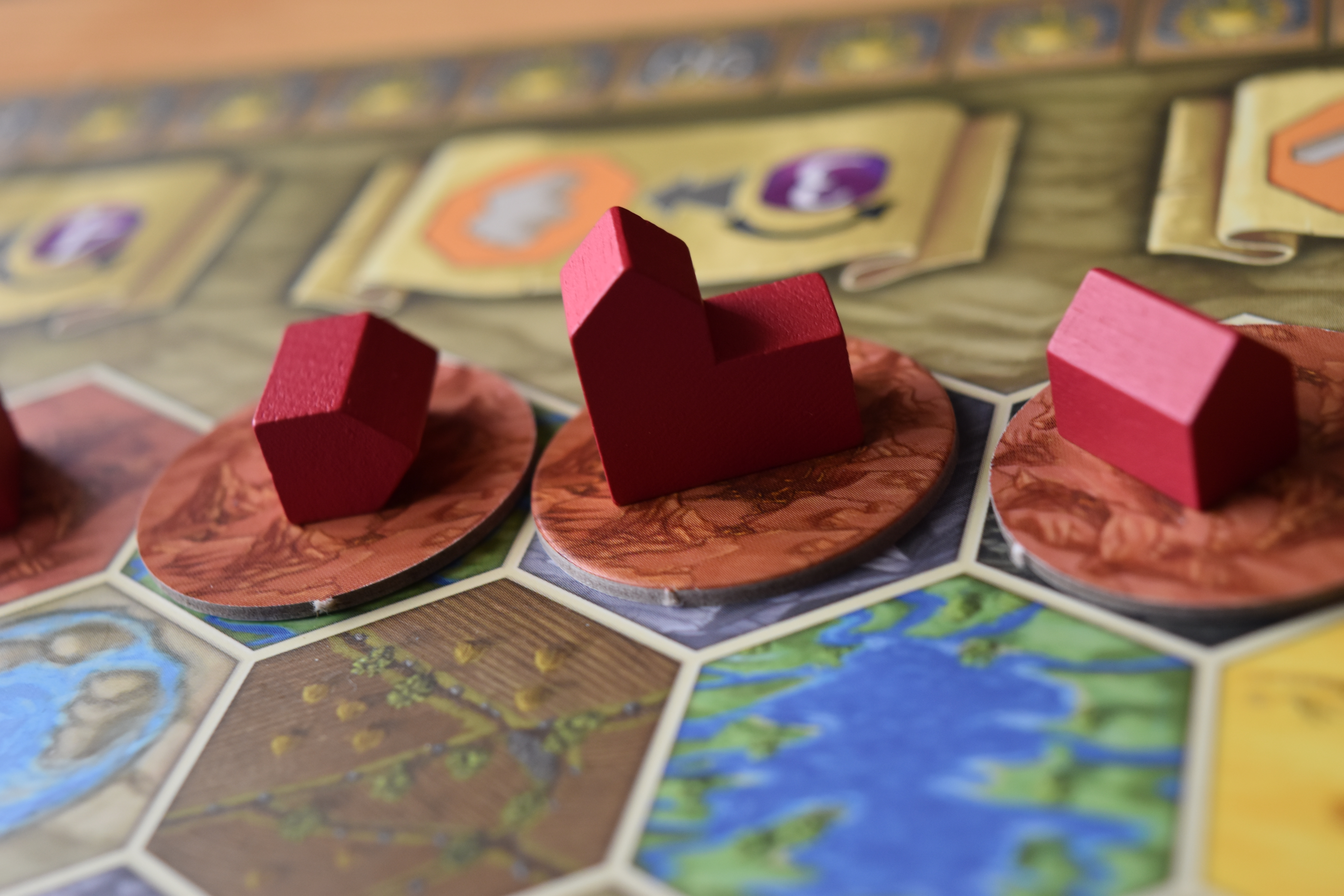
T.I.M.E. Stories: Sherlock Holmes meets Groundhog Day

Pairs well with: A nice cup of tea to help you think.
Traitor Rating: 1/10. It’s a co-op game, but accidents do happen…

What with it being Halloween and all, you might think that we at the Misery Farm would have prepared something special for you. After all, we are three alternative-type ladies and Halloween is basically Christmas for goths.

Well, we don’t. At least, not something especially spooky/Halloween-y. Sure the scenario we’ll be reviewing is set in an insane asylum and there are a few cases of [deleted] as well as terrifying [deleted] to be dealt with but it’s not, as such, a horror game. What this game is, is excellent. Bob cannot remember the last time she enjoyed a game so much on so many levels. The problem is trying to review it without giving away any spoilers, but we’ve done our best. This review is of the base game and introductory scenario, and all specific references and photos should be of game parts already explicitly mentioned or shown in the rulebook. If you spot a rogue plot point then let us know asap and we’ll shut it down.

painting
We can’t tell you what this girl’s painting, or why that guy is wearing a plague mask but… yeah.

With all that said, on with the review!

TIME Stories is a co-operative exploration-slash-puzzle solving game. If you’ve played games like Sherlock Holmes: Consulting Detective (which, by the way, is possibly one of the greatest puzzle games of all time), Tragedy Looper, or even an old school ‘GO TO LOCATION’-type MUD game then you’ll be acquainted with the format. TIME Stories perfects the genre in board game form. It’s a tabletop RPG with combat elements, it’s a strategy game, it’s an item-collecting, clue-solving meta-gaming puzzler. Most importantly, it does all these things well. Now, before we get going you should know that this is a scenario-based game. Essentially you buy the base game (which comes with an introductory scenario) and all subsequent scenarios must be bought as expansions. This has led some people* to declare it a waste of money and clearly a scam. They are wrong. It is a beautiful game and well worth the cash. Just don’t play it with two people. You want it to be a team experience.
P1020953

You play as a time detective. It’s probably got a fancier name than that but that’s basically what you are. You live in the future where time travel has totally been invented but people keep fucking around with it, creating time anomalies that threaten to break the space-time continuum and kill the whole wide universe! Luckily you’re part of a noble special-ops firm dedicated to going back in time and fixing the problems before they happen. Each game scenario is one of these time adventures.

Wallpaper-Terminator-robot-T-800-photo
‘Sounds familiar!’

The problem is that while you can go back in time to a location, you do not necessarily know what the problem is going to be or how to solve it. You have to follow clues, question suspects, and basically behave like the nosiest PI ever hired.

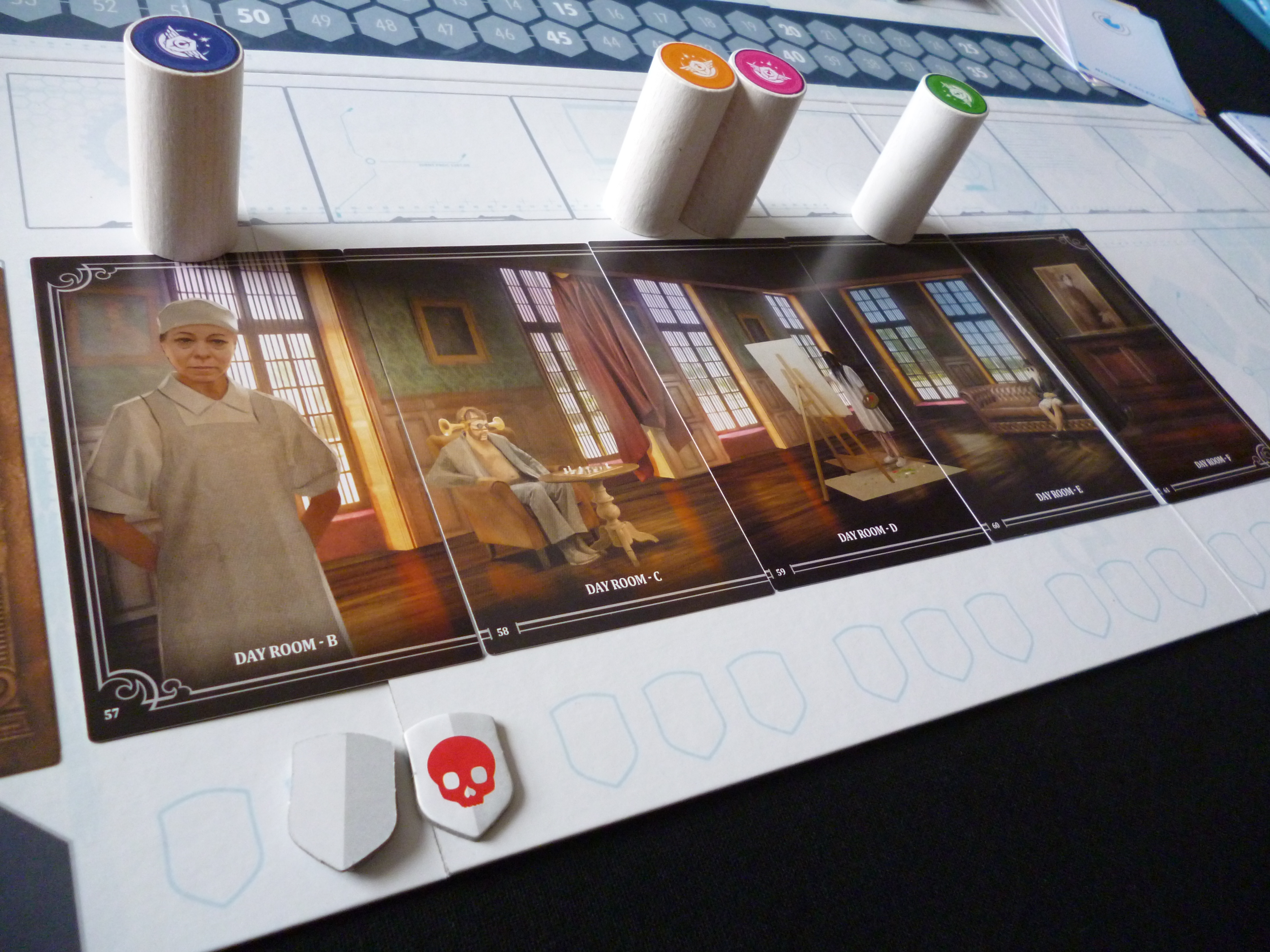
P1020965There are a few other minor *cough* challenges.  Firstly, your body does not go back in time with you. Instead, your consciousness inhabits a local ‘receptacle’ (unfortunate human) which you control like a hideous meat puppet. In the first scenario, Asylum, you are sent to investigate an old-timey mental asylum. Unfortunately the only bodies available to you are those of patients, and patients are not usually given free run of the sanatoriums where they have so thoughtfully been placed. Your consciousness also suffers from whatever debilitating mental condition has had them incarcerated in the first place, such as crippling [deleted] and hideous bouts of [deleted]. Sometimes you can turn these to your advantage, however, with careful use of [deleted] and doses of [deleted]. Choosing your receptacle wisely in a way that helps the team is part of the game for sure.

P1020960
Some nice people.

The second problem is that it takes a vast amount of energy to both send you back in time and keep you there. As such you only have a limited amount of time to complete your mission, otherwise you get transported back to the future (hey-oh!). Exploring, moving, taking actions, etc. all use up valuable time, and if you don’t solve the problem in your allotted time then you get in trouble with your superiors. Luckily they are quite willing to send you back again to have another crack at it. The aim of the game is to try and fix the temporal anomaly in the lowest-possible number of runs. The faster you do it, the more points you get and thus earn some [deleted].
P1020961Of course, if you finish the game quickly and efficiently you miss a lot of what it has to offer. This game has loads of branching paths. Not so many that it becomes heavy and messy but enough that to explore every aspect would definitely be a challenge within the time frame. Bob was sceptical at first, expecting that the format of ‘do and then re-do’ would simply turn into a game of ‘follow the leads as efficiently as possible, rinse, repeat’. This would suck, and probably result in a quarterbacking** problem. Luckily, TIME stories is actually very good and neatly side-steps this issue. Each run was completely different both in storyline and format.

The first run was a game of exploration. Talking to people, making mistakes, and collecting P1020962whatever clues we could. Two red herrings and a violent [deleted] later, we found ourselves back in the future, being reprimanded by our commander (confusingly also named Bob).  The second run revealed a whole new, previously unsuspected line of clues. There are layers to this game, man. This time we went deeper, coming so close to the end and then… promptly causing a temporal anomaly. Whoops.
By this time nearly 4 real-time hours had passed, and we needed to stop. This was when TIME Stories traversed from ‘fun’ to ‘incredibly well thought-out and borderline-genius’ in Bob’s eyes. The creators know that you might not have time to play a 6-hour game in one sitting, but that you also won’t want to lose your place in your scenario. As a solution, the box comes with what is essentially a manual ‘save game’ set-up. You can carefully place your receptacles, clues, and various tokens and whatever in special little holsters in the box, ready for another go at a later date. The board even clips in so that everything is kept in stasis. Absolutely shitting brilliant.
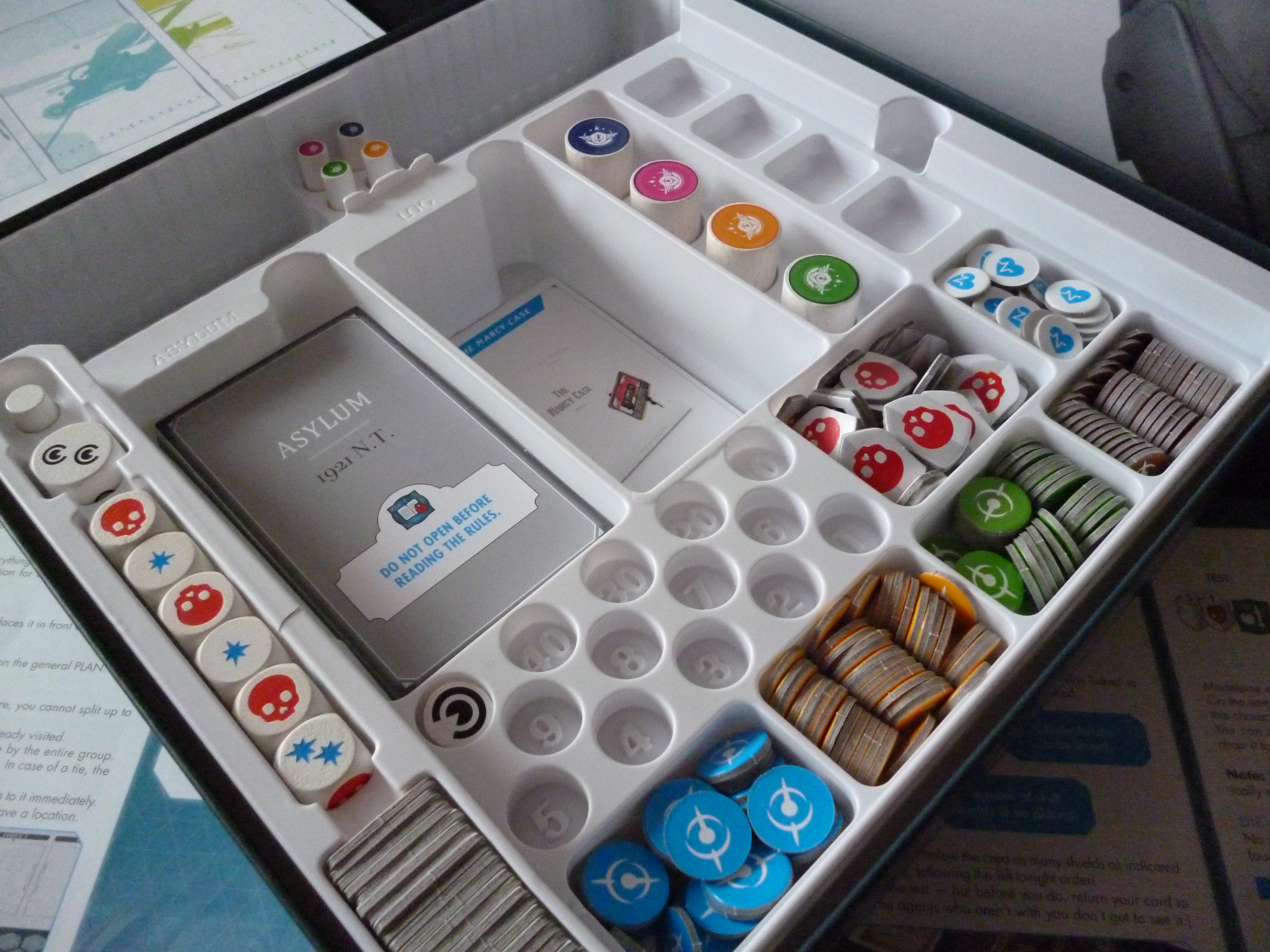
LOOK AT IT
LOOK AT IT

Our final run had to be efficient, business-like, yet not forgetting to visit any necessary locations to gather important clues and items. We completed the game with not a single death on the team and in good time, which earned us a decent rank and… you’ll have to find out what else for yourself. But you should know that it’s so cool Bob almost died.

P1020966
We highly recommend you keep notes!

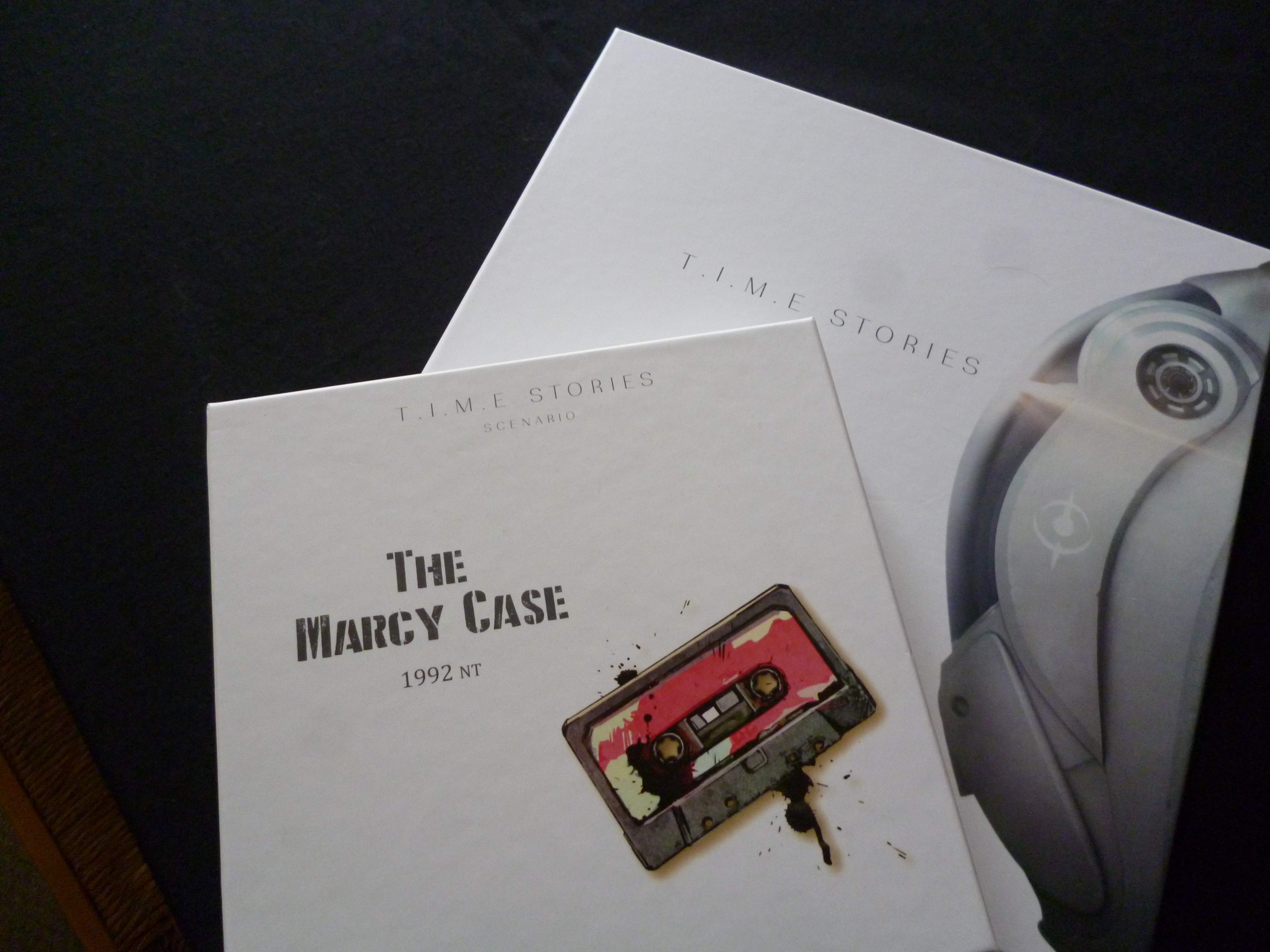
We are very excited to play further scenarios. Unfortunately, currently only The Marcy Case (a period drama set in 1992) is available, but future instalments should be out soon. Additionally, there is something to be said for playing the same scenario twice with different friends, just to see if they uncover more of the game than you did, as well as all the myriad ways they might fuck it up.
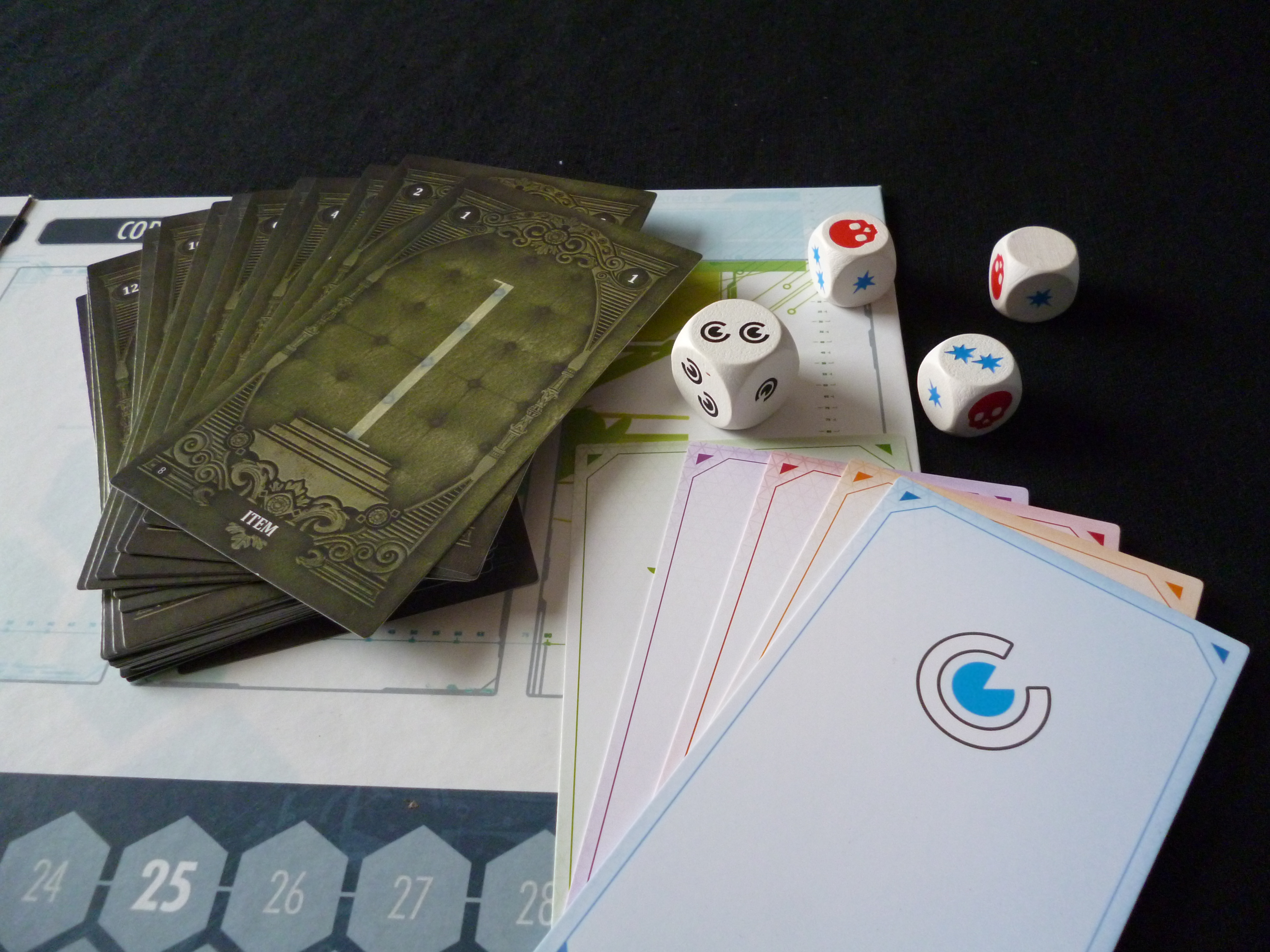
So many ways to fuck up and die.
So many items, so many ways to fuck up and die.

* Including Misery Friends who shall remain unnamed but who are pictured in our previous post.

**For those not down the lingo, this is when someone (usually a more experienced player) basically takes charge in a co-op game and tells everyone else what to do. It’s pretty irritating.


Pictures this week are by Bob. Which is why they’re terrible.


The Misery Farm On the Road: Essen Warm-Up

Seriously, one of the biggest board gaming conventions in Europe if not the world and that's their promo video. DO DO DO DO DO.

All aboard the Essen Hype Train! Destination: Essen Spiel 2015 (obviously). Eagle-eyed readers may have noticed that all has been unusually quiet around the ol’ farmstead recently, but that delicate peace is about to be shattered as we plunge face-first into Germany. Throughout Essen we will be posting mini-reviews, play-throughs, first impressions and all kinds of fun nonsense both here and on Twitter, so climb aboard and buckle up cuz this train stops for no one!*

hypetrain1

For those not in the know, Essen Spiel is a four-day board games trade convention held in (not very) sunny Essen, Germany. It’s held in a convention hall roughly the size of an international spaceport, and has just enough room for the approximately 150,000 people who show up every year.** It is mind-bogglingly large. It’s so big it requires two tram stops on the same line. And all that space is filled with nerds.

hypetrain2
Nerds like us!


Needless to say, it can all be a bit overwhelming. Endless people and rules-learning and throwing money at wholesale-priced board games can be exhausting, so one kind redditor, ItsMrPig has written a handy and highly-recommended survival guide. It effectively boils down to:

  • Research the games you’d particularly like to play beforehand.
  • Cash is recommended as not all stalls have card machines, plus you don’t want to pay a transaction fee for every board game you impulse-buy. That’s just adding insult to injury.
  • Don’t wear a backpack. At least not a big one. It’s crowded and they get in the way. Ditto those trolley things. Like they’re practical but that place is crowded. Last year one guy appeared to have like a train of carts behind him that he was dragging along. While the sheer number of games he was trolleying around was impressive, it was still incredibly irritating.
  • Tote bags are a much more effective and less annoying way to lug your purchases around.
  • Don’t play to win. Just have as much fun as you can until you feel like you’ve got the hang of a game and then let someone else have a go if it’s a busy stand.

Mr*** jtown007 also adds

  • Hydrate yo’self. Beer doesn’t count, kids.
  • Comfortable shoes. Did we mention how big this place is?
  • Shower every day. Please. Despite being huge the halls are also hot and stuffy. Do your fellow nerds a favour and don’t make them bathe in your stank.

Almost as important as researching what games you’d like to play is figuring out where they are. If there’s a game you think will sell out fast and you want to get there as soon as the doors open on Thursday, it’s probably wise to figure out where you need to leg it to. There are a few unofficial maps kicking around on BoardGameGeek, or you can do it yourself by the somewhat arduous process of finding the reference number for the publisher’s stall, then cross-referencing it to a map of the hall via the official Spiel website.

Needless to say, Bob and her android boyfriend Chris have two different spreadsheets prepared, showing game priority, booth number, cumulative price (Chris’s reached €2000 last night) and any additional notes that might be necessary – such as the times that Naïade**** will be available to sign stuff or where Catan’s 20th Anniversary mega-contest will be.

Of course the most important thing is to have fun. If that means ignoring this article and diving into a sea of dice and Deutsches Bier without a second glance then you do you. There is plenty to be said for running around in sheer, giddy excitement at ALL THE STUFF OMG while subsisting on a diet of fried potato spirals and gummy worms.*****

hypetrain3
Remember Spiel ’14? Guys?

Speaking of fried potato, enjoy the food. The stuff in the convention itself is your usual junk (bar the exemplary fro-yo stand) but nearby are plenty of German bakeries offering fresh poppyseed rolls and hazelnut pastries. In the evenings, the local restaurants and pubs serve up everything from all-you-can-eat sushi to pork knuckles the size of your face served with liver dumplings, so don’t be afraid to explore.

See you on the other side, folks, and if you see us there don’t hesitate to come and say hi! We’ve got business cards now!

If you have stories to tell and experiences to share, don't hesitate to share them in the comments or our sharing page!


*Please hype responsibly.

**According to Wikipedia, which has been known to play silly buggers with facts.

*** We assume it’s mister but we apologise profusely if we’re wrong.

****Artist of such wonders as Tokaido, Shinobi Wat-Aah!, and more.

*****Bob’s approach last year.

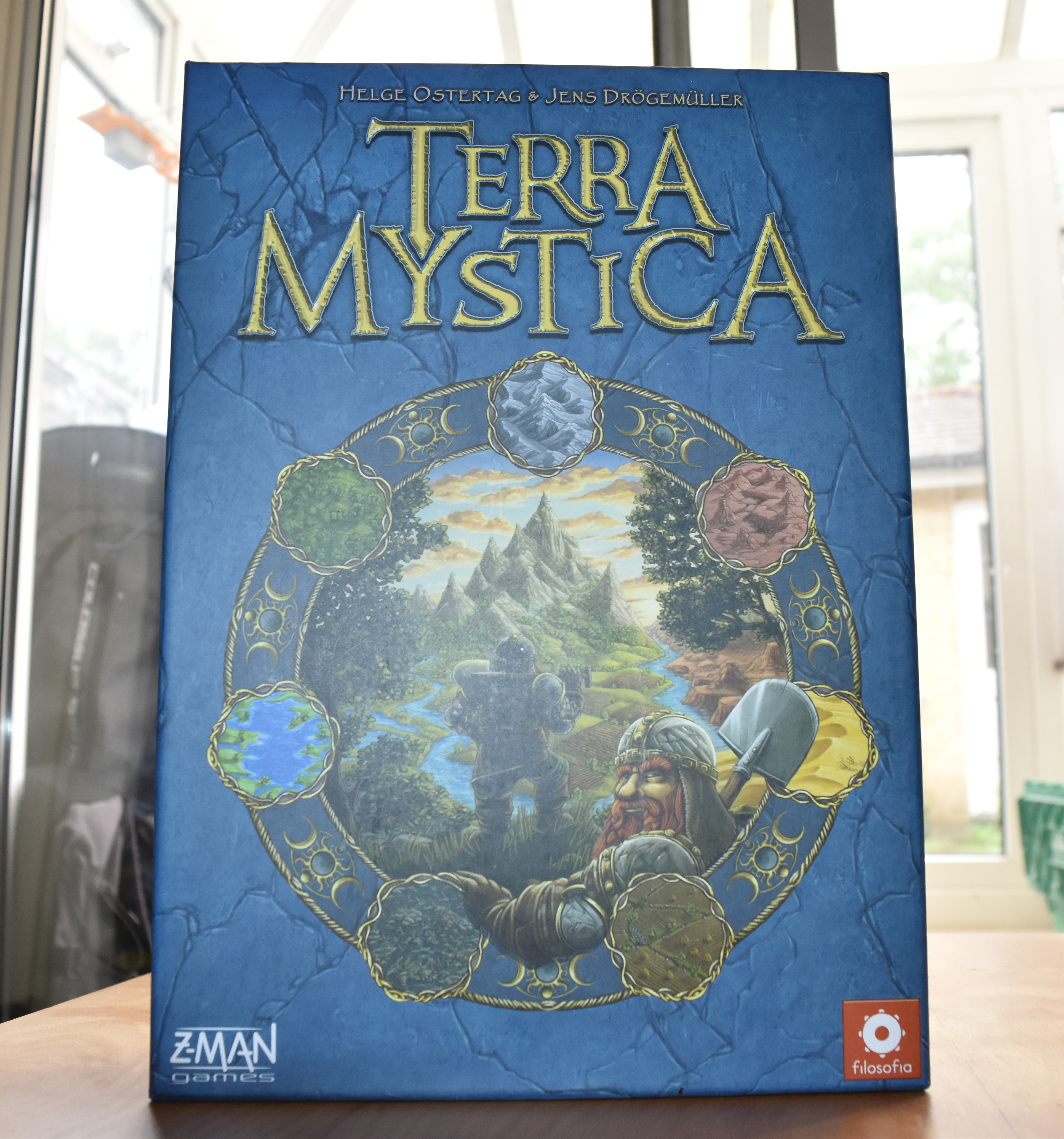
Terra Mystica: Terrain Stereotypica

Brutus scale: 3/10
Pairs well with: A selection of ales representing terrain types. E.g. dark stout for Swamp, pale ale for Grasslands, red IPA for desert, etc.

Contents: Mystery, Dirt and Sulky Opponents.

Terra Mystica roughly translates to English as ‘mystical earth’. What’s so mystical about it you ask? Well, for one, the fact that the laws of geography and biology don’t exist is pretty thrilling. And by thrilling we mean no-one cares. It’s another terrain-based board game with different ecologies represented by different tile designs in the style of Small World or Kingdom Builder. Also similar to Small World is that you play as a race/civilisation. Your choices are scantily-clad female races (such as witches), brutish large men races (such as giants), and sneaky stereotyped races (like the dark and plotting alchemists). Many of the available races fall in between these categories, but one thing’s for sure: it will feel like your flippant choice of race has way too much impact on the game.

I am Man, hear me roar.
DSC_0112
I am Woman, my breasts are barely covered.

Each race will have some varying starting resources, and will have a selection of different abilities that come into play throughout the game. This makes playing through as a particular race for the first time really fucking difficult, as three hours into a game you’ll spontaneously realise you should have built something in turn one, but didn’t. There is no way to save it. You’ll just have to suck it up and keep building single houses every turn until the game ends. You are a terrible leader of your people and they know it, and they resent you for it.

‘Sire, what shall we do to make our empire grander? More trade perhaps? Build a mighty cathedral maybe?’

‘No my poor peon, we shall build a small wooden house on a single tile. Forever.’

‘But sire, all of our people have houses, surely we should build something better –‘

‘- Houses! Forever!’

DSC_0123The mechanics of the game are mainly centred on job selection. This will provide you with some sort of resource, and/or an ability that you can tailor your turn to. Each race receives a board with around 5,097 wooden pieces on it, of which you play the wrongly-shaped piece often. In reality there are about 20 pieces, but still, that’s a lot of shapes under your control. Each of these pieces represents a different type of building, or worker, each with build costs that ramp up the better the building you want to construct. Once you’ve selected a job an action phase occurs. This is where the real meaning of the game title is revealed: your race can only settle on a particular type of terrain tile. In order for your city to expand you need to terraform different terrains into your own in order to build on top them. It’s like Civilization or Tigris and Euphrates only worse and a more frustrating drain on your resources.

Imagine you are a small band of settlers looking for the ideal place to begin your great dynasty. You’ve travelled all over the land to find the most fertile, most beautiful, most defensible place. But Gary decides that actually, maybe if we settled on some scorching, inhospitable lava plains, that might be better. Gary is pretty stubborn leader so we’ve had to go along with it. Typical fucking Gary.

Who knew there were so many different types of dirt.
You could have picked any of these, Gary.

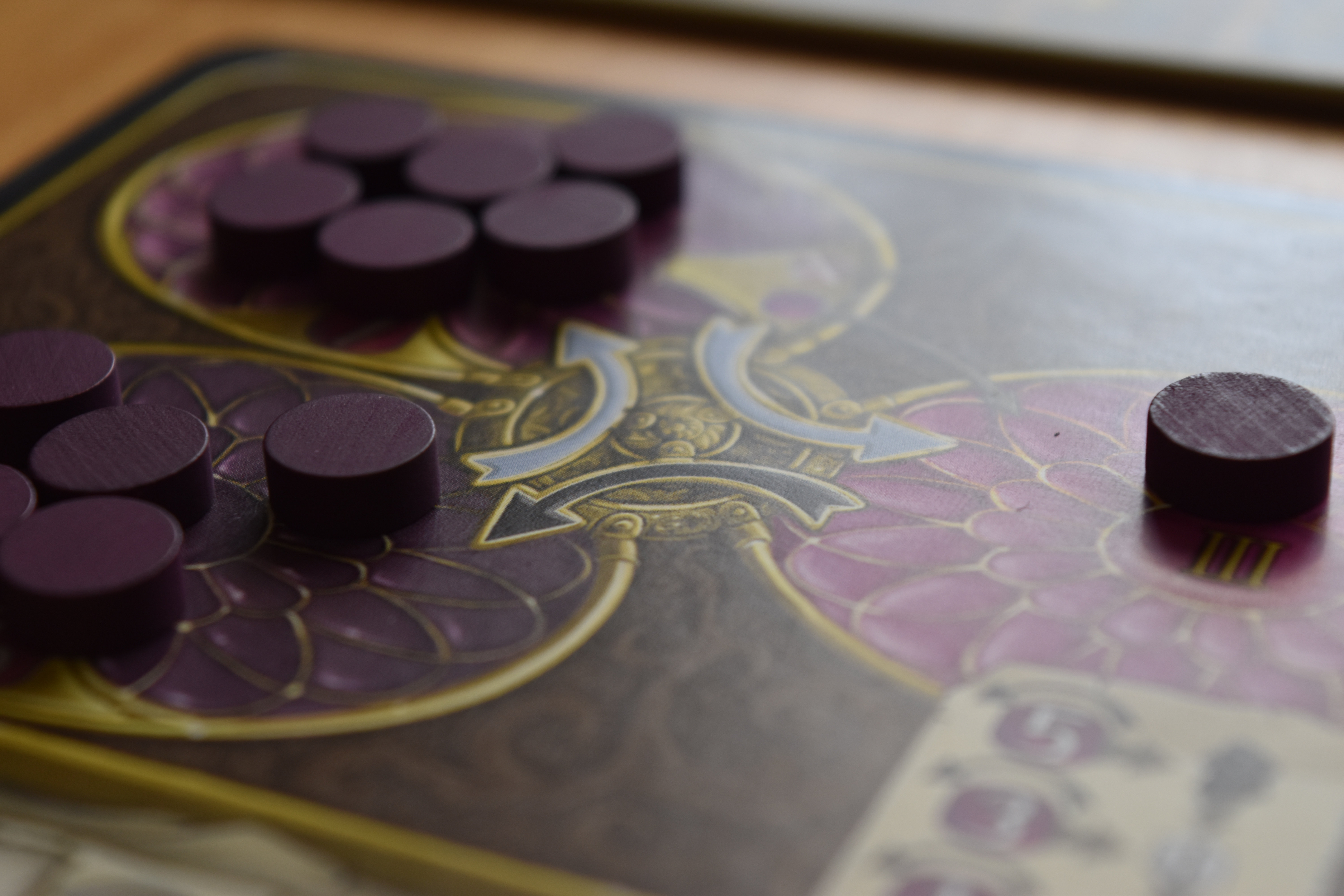
The list of things you can do in your turn isn’t particularly well-structured either – you can more or less keep doing all  of the things you want until you run out of resources (admittedly in some games this is a great thing, but you grow weary of the freedom rapidly). This makes competition with the other players minimal as no one can tactically end turns, or force extra resource spending. However one mechanic that is pretty good is ‘power’. Power is a physical resource in DSC_0116this game, which is purple and stored in some big dishes on your personal board. You can collect/receive it during turns or actions, which means that you transfer a little purple power pellet from one dish into the main dish. When you spend that power, you move the power pellet from the main dish to the beginning dish. In order to generate more power you have to move all of the purple pellets from the beginning dish to the main dish again in a little cycle. It’s a pretty neat cycle which requires forward planning, and allows unlimited but very tightly-constrained regeneration.

DSC_0126Unfortunately it’s only worth doing if you go heavily into a power farming strategy, or your race is particularly good at keeping power generated. For instance, Briony quite enjoys playing as the alchemists as their race ability, once the stronghold (a particularly important bit of wood) is built, generates a lot of power straight up. This means that you don’t have to compete for resources or jobs as you can mostly pay for everything with power, and you don’t have to keep putting a lot of effort into getting the power cycled around the dishes. She also enjoys this race as she’s spent almost every game playing as them, so she’s nailed the routine of what to do for the most effect. Then again she is the sort of person that can spend hours playing the first 100 turns of civilization over and over as one particular race to optimise strategy and timing. Bob simply cannot do this – she claims to enjoy fun.

Tasty bonus tiles.
Tasty bonus tiles.

As the game goes on your settlements begin to expand. Buildings are worth points, and once you’ve accrued enough your settlement becomes a city. This comes with a nice one-off bonus and also allows you to build a stronghold, unlocking a race ability. Along one side of the board there are a series of bonus tiles that offer a selection of lovely things e.g. extra victory points, some resources, a nice compliment about your hair. These are turned over once per round, and will state a requirement such as ‘Gain a buttload of power if you build five perfectly-domed city halls out of lava this turn’. This allows you to plan out your buildings to occur in rounds where you can get the most victory points from them. You can also imagine a giant stroking the bonus card seductively, clad in a leotard and heels for maximum gameshow effect. Whatever floats your boat.

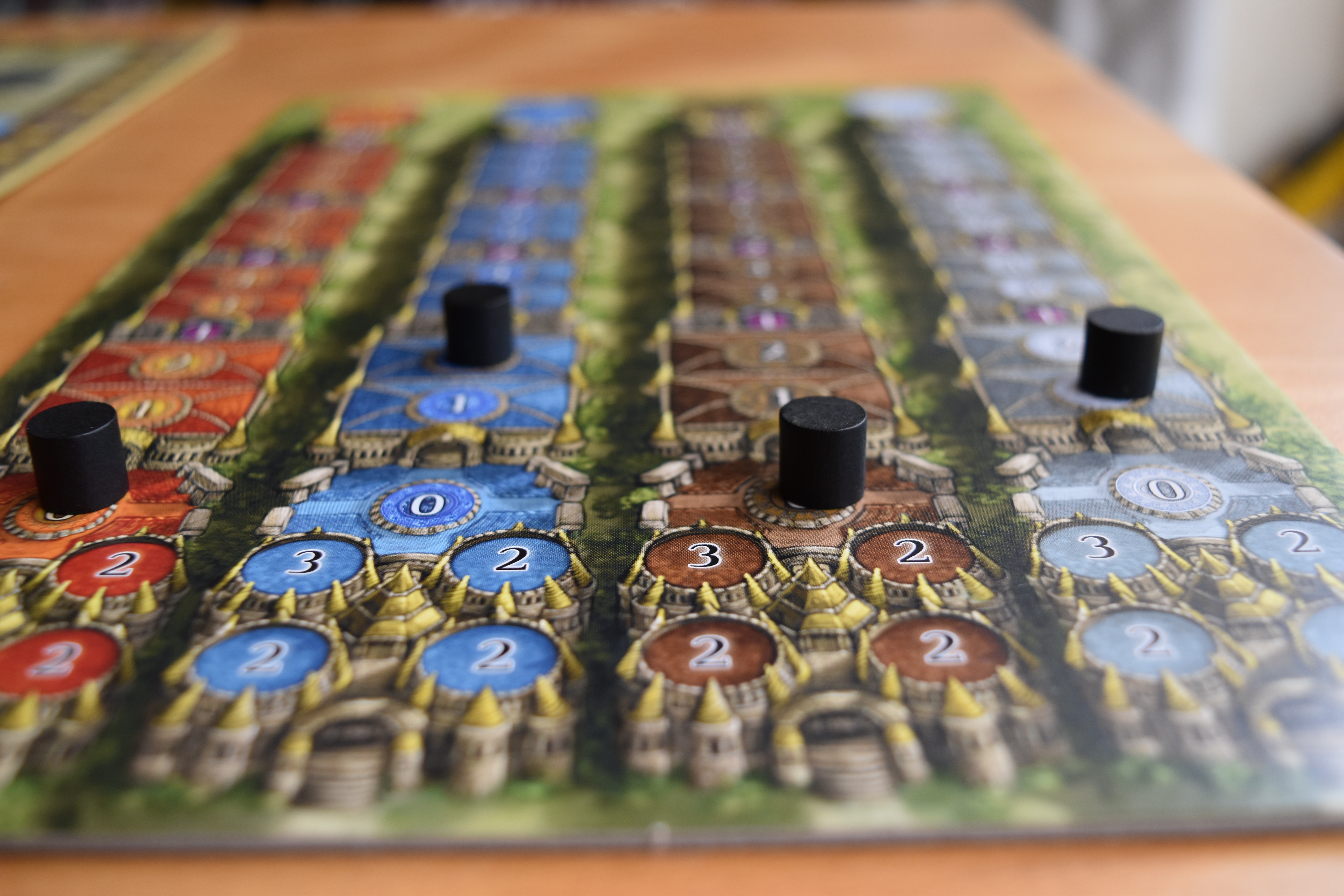
In addition to this there is also an elemental temple track. In this there are four tracks representing each element. In order to go up in these tracks you must have a priest meeple (which can be gained by building certain buildings) or fulfill a job has that rewards you with that resource for free. Priests are sacrifically burned in the ‘totally-not a cult we promise, guys’ temple to push you up the track and also correspond to the bonus round tiles. DSC_0124For instance ‘if you are at least at level 4 in the Earth track gain a free visit from the Emperors of Xenu’*. We’re not particularly sure why this mechanic exists really. It’s adding an extra component to a game that already has a shit tonne of components, and to use would really take a lot of investment. Bob tried it once and even with a very cult-loving race it wasn’t really so much ‘viable’ as ‘fucking irritating’. We also aren’t really sure why they represent the elements… possibly because the earth is made from the basic four elements? Who knows, all we know is that that is bad science and the expansion will probably have a Helium and a Potassium track.

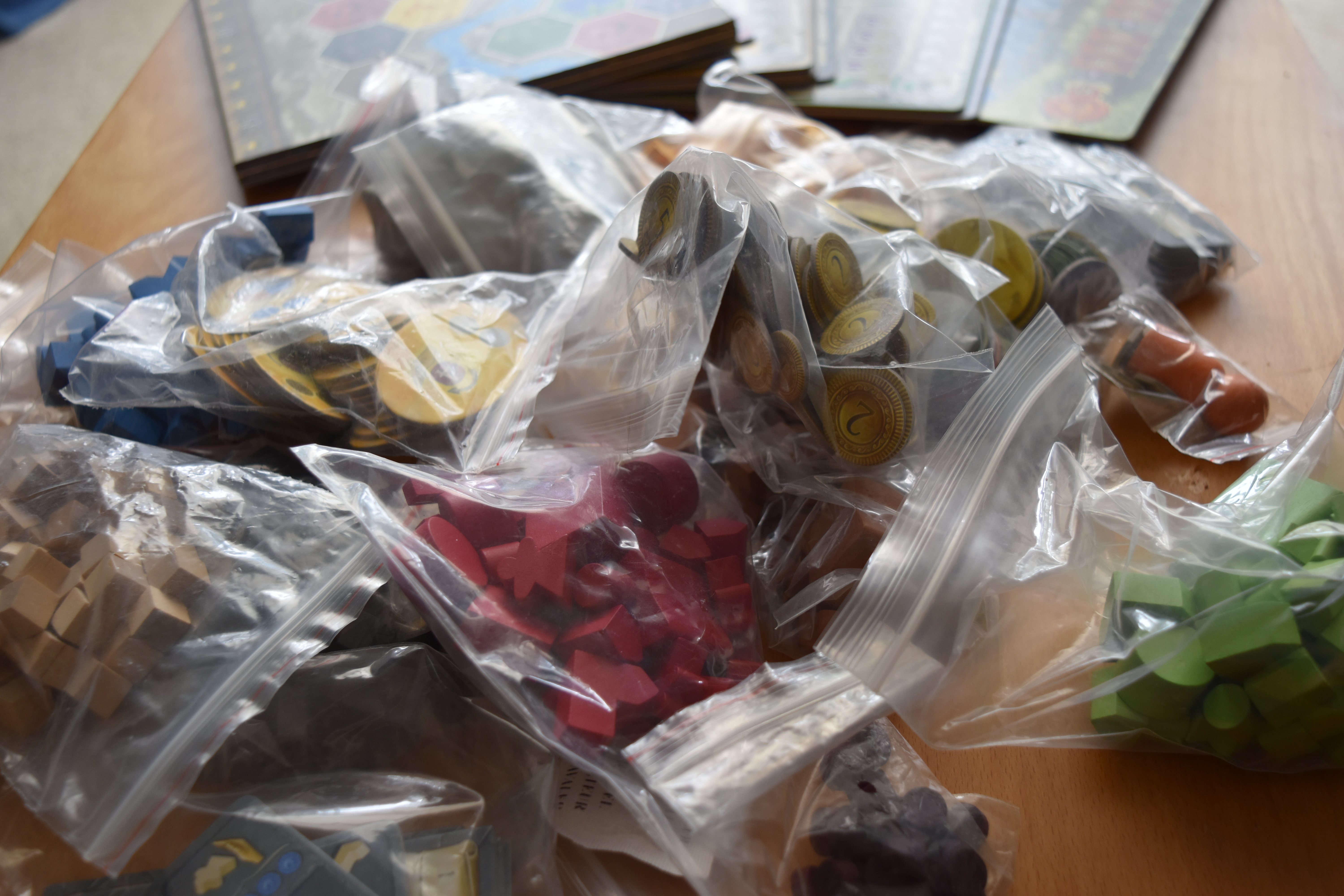
Once the game ends you get some final victory points that add to the ones generated throughout by your buildings or bonus’s. Points are awarded for the biggest city, how far up each track a player is, and some other excuses to have some points. It’s actually quite a nice way to end because it changes the scoring up, makes you feel good for getting more, and that you did better than you had originally thought. Overall the game has some really good mechanics – its downfall is that it has too many of them. This makes picking an effective strategy difficult and requiring a lot of experience with each race. We can’t help but feel that is doesn’t need quite that much stuff. There is a lot of it. Pieces, tiles, bonuses, tracks, races, resources, power, jobs, workers, buildings, giants in leotards – like the contents of a student’s bedroom floor (Nerds have ‘interesting’ university experiences).

Exhibit A - 'stuff'.
Exhibit A – ‘stuff’.

That being said, the two player version of the game is surprisingly good as a lot of the extra guffin is taken out. As a result of fewer players, the game progresses much faster, and you tend to get a grip on your race more quickly. Certainly playing it two player a few times would be the ideal way to understand the game, technique, and races before diving into a monster 6 person epic. Don’t be too put off from playing this game kids, there are a lot of positive reviews of itout there. We just feel like it was so close to being a truly classically epic game, but it got a bit too ahead of itself. Less is more, Terra Mystica, you don’t have to keep putting on extra frilly bits to please your target audience.

DSC_0133


*We respectfully request that the Church of Scientology, hallowed be your celebrities, please not sue us for these jokes. We haven’t got any money for you.